Comparing Drivetrains for Safety and Traction: FWD vs AWD Vehicles
If you’re shopping for a used car in the Raleigh, NC, area, one of the most common questions, especially with our spring rainstorms, is whether you should go with front-wheel drive (FWD) or all-wheel drive (AWD). Both have their strengths, but understanding how FWD vs AWD vehicles behave in rain on wet roads can help you make a smarter, more confident decision. Auction Direct USA is here to tell you about their differences.
How FWD Performs in the Rain
Front-wheel drive vehicles are the most common on the road, and for good reason. In an FWD car, the engine’s weight sits over the front wheels, which are also responsible for pulling the car forward. That added weight helps the tires maintain grip on wet pavement.
In rainy conditions, this setup provides:
- Stable, predictable traction during everyday driving
- Good control when accelerating from a stop, even on slick roads
- Lower ownership costs, since FWD systems are simpler and typically more fuel-efficient
For most Raleigh drivers dealing with rain, puddles, and occasional slick intersections, FWD is more than capable.
Where AWD Has an Advantage
All-wheel drive systems send power to all four wheels, either full-time or automatically when slip is detected. This can make a noticeable difference in certain situations.
AWD can help with:
- Improved traction when accelerating, especially on very wet or uneven surfaces
- Better grip when pulling out quickly into traffic during a downpour
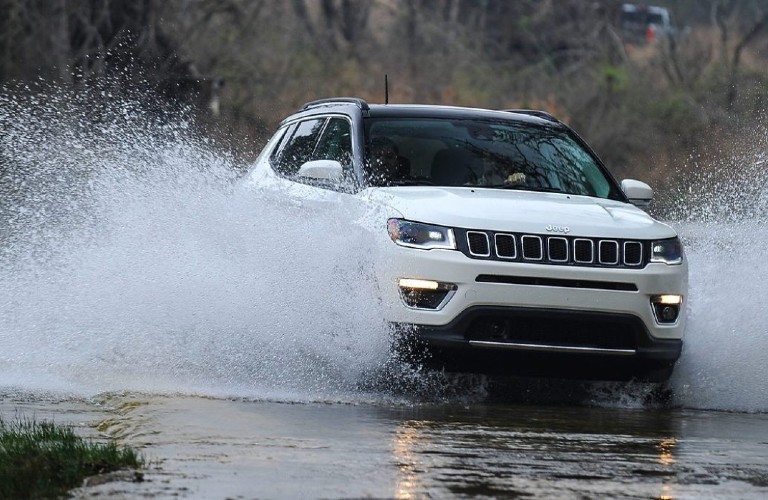
- More confidence on roads with standing water or mild flooding
If you regularly drive on rural roads outside Raleigh or encounter poorly drained streets during heavy storms, AWD can provide an extra layer of reassurance.
The Big Misconception: AWD Isn’t Magic
One of the biggest mistakes buyers make is assuming AWD makes them safer in all wet conditions. It doesn’t.
Here’s what AWD can’t do:
- Shorten braking distance – Your brakes and tires matter far more here
- Prevent hydroplaning – Once your tires lose contact with the road, the drivetrain doesn’t help
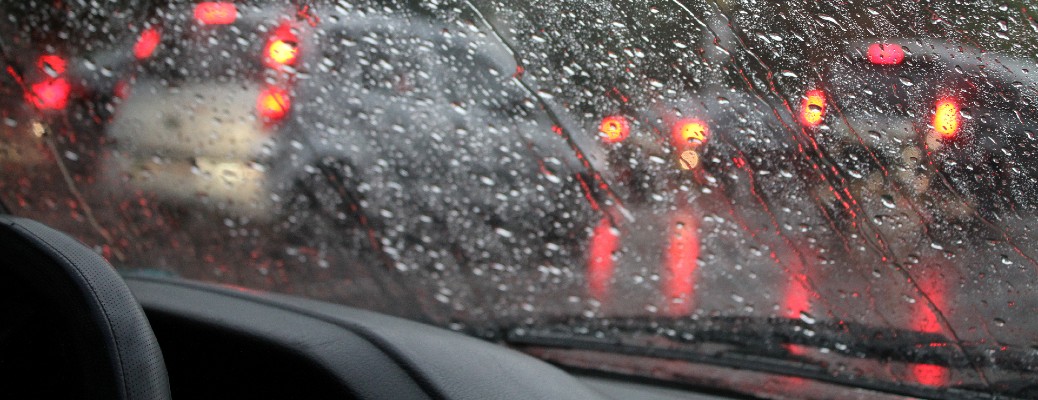
- Improve visibility – Heavy rain, fogged windows, and spray from other vehicles are still major hazards
- Override poor tires – Worn tread will reduce grip regardless of FWD or AWD
In fact, many drivers become overconfident in AWD vehicles and end up driving faster than conditions allow, which can actually increase risk.
Tires Matter More Than Drivetrain
No matter which option you choose, your tires are the real MVP in wet weather. A FWD car with high-quality, properly inflated tires will often outperform an AWD vehicle with worn or cheap tires.
When shopping used, pay close attention to:
- Tread depth
- Tire brand and type
- Even wear (which can also indicate good alignment)
What Makes the Most Sense in Raleigh?
For most drivers in Raleigh:
- FWD is the practical, budget-friendly choice that handles rain just fine
- AWD is a nice upgrade if you want extra traction and peace of mind, but it’s not essential
If your daily driving is mostly commuting, errands, and highway travel, FWD will serve you well. If you value added grip during heavy storms or drive in less-maintained areas, AWD might be worth considering—just don’t expect it to solve every wet-weather challenge.
How to Compare FWD vs AWD Vehicles and Make Your Choice
When choosing between FWD and AWD, think about how you actually drive day to day—not just worst-case scenarios. In Raleigh’s rainy climate, both systems can perform well, but smart driving habits, good tires, and awareness of road conditions will always matter more than what’s powering your wheels.